Introduction
In modern architecture, the façade is often the most recognizable element of a building. It forms the visible outer layer that shapes the building’s identity and defines how it interacts with its surroundings. However, the role of façade systems extends far beyond aesthetics. Today, façades are highly engineered systems that contribute to structural performance, environmental control, energy efficiency, and occupant comfort.
As architectural design has evolved, buildings have become more complex, incorporating larger glass surfaces, slimmer structural elements, and more demanding performance requirements. Façade systems must now respond to these challenges while maintaining durability and reliability throughout the lifecycle of the building.
Modern façade systems therefore represent a combination of architectural design, engineering precision, and advanced materials. Their development has transformed the way buildings are conceived, constructed, and experienced.
Understanding the Building Envelope
A façade forms a key part of the building envelope, which is the physical barrier separating interior spaces from the external environment. The envelope includes walls, roofs, windows, doors, and other structural elements that regulate the exchange of air, light, heat, and moisture.
The façade plays a central role in controlling how a building responds to environmental conditions. It protects interior spaces from wind, rain, and temperature fluctuations while allowing natural light to enter the building.
In traditional construction, façades were often built using heavy masonry or concrete elements that were directly integrated into the building structure. While these materials provided strength and durability, they limited design flexibility and transparency.
Modern façade systems, particularly aluminium and glass systems, have introduced new possibilities. By separating structural support from the outer cladding system, architects can create lighter façades with greater visual openness while maintaining performance and safety.
Façade Systems as Architectural Elements
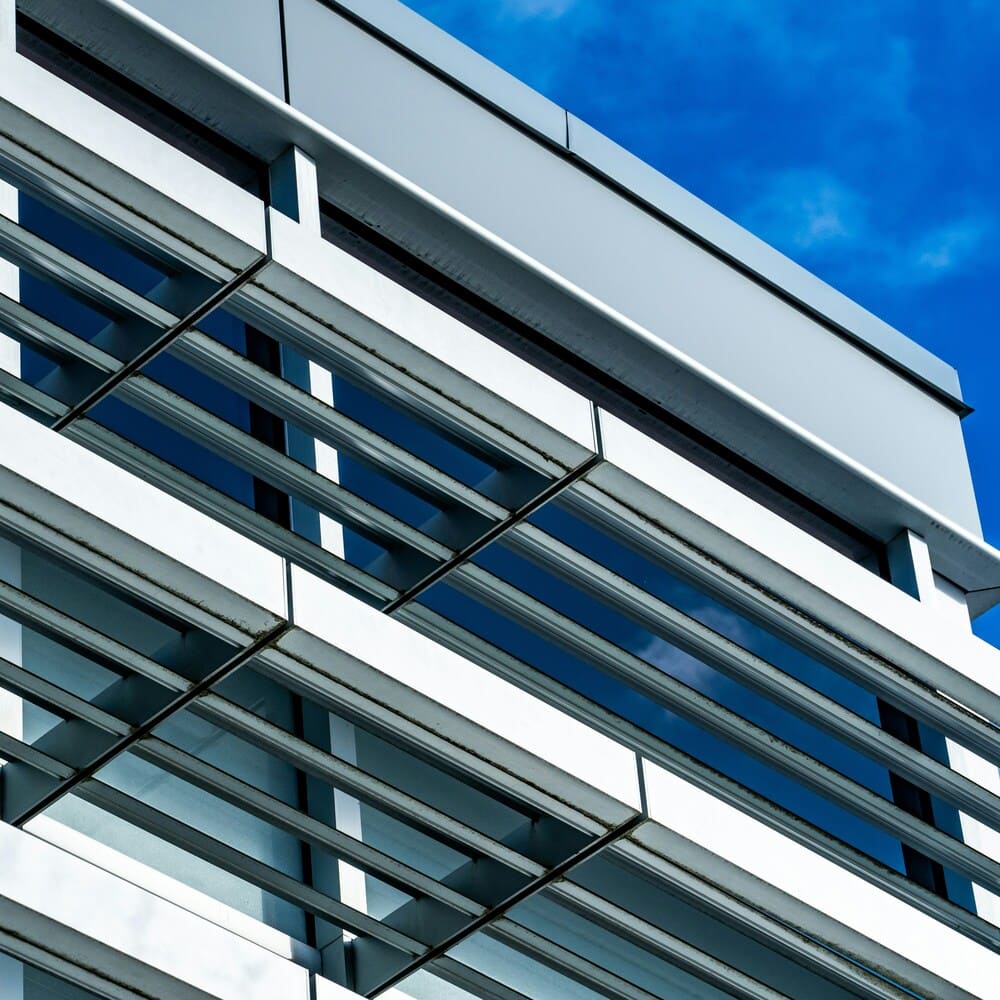
One of the most visible contributions of façade systems is their influence on architectural expression. The façade defines how a building appears from the outside and plays an important role in shaping the urban landscape.
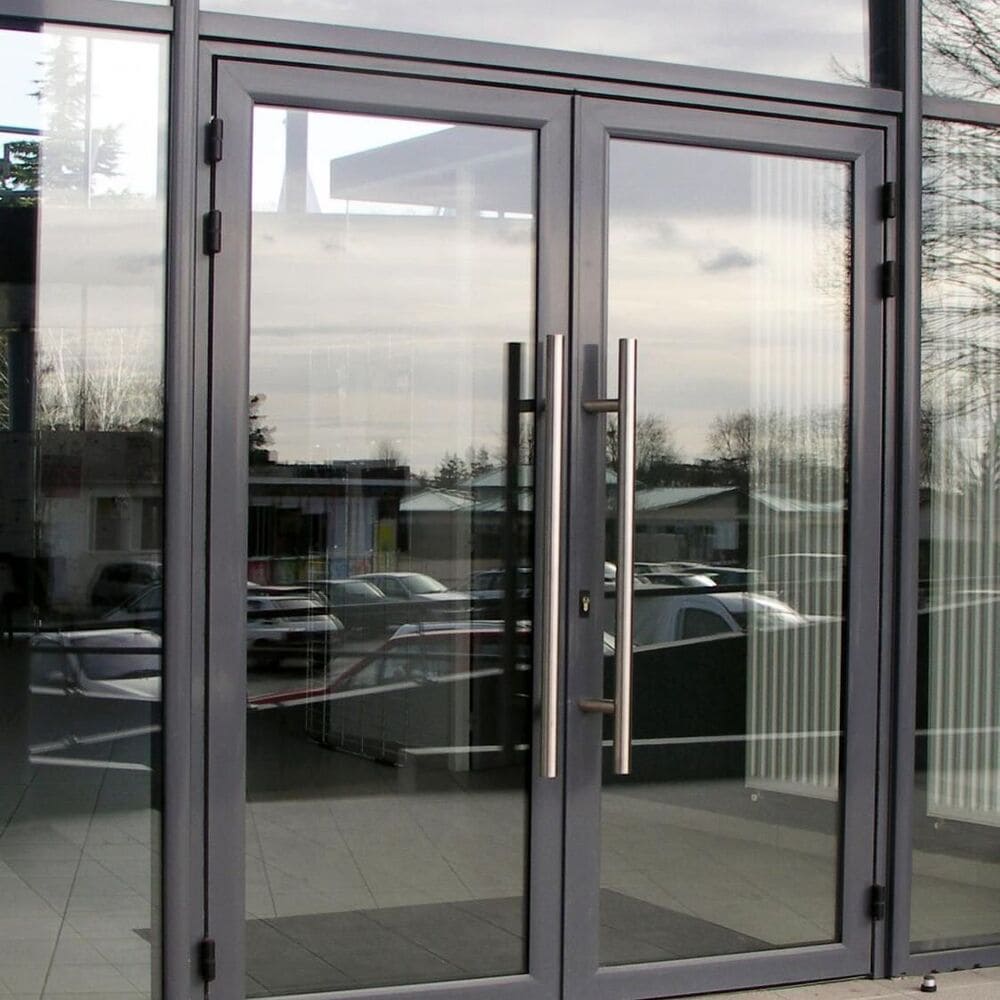
Architects often use façade design to communicate the identity and purpose of a building. For example, commercial buildings frequently use large glass surfaces to convey openness and transparency, while residential developments may use more textured or layered façades to create a sense of privacy and comfort.
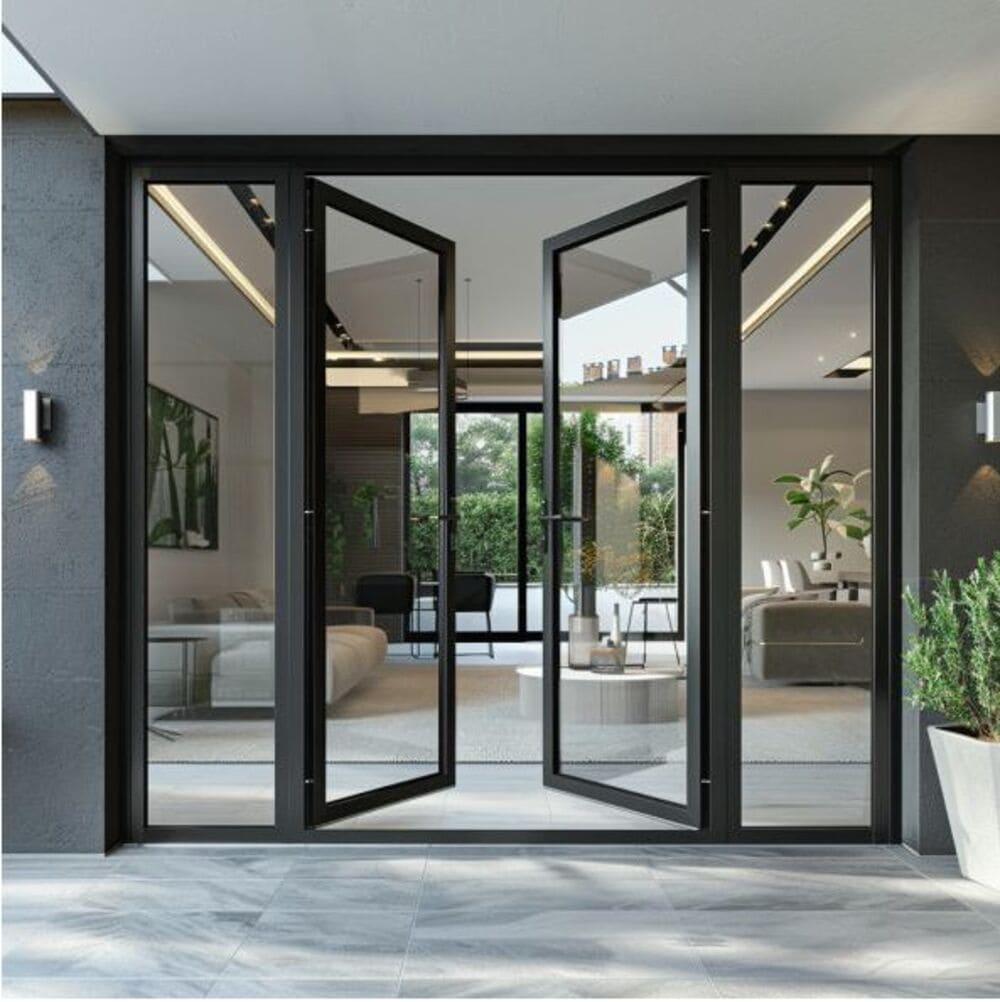
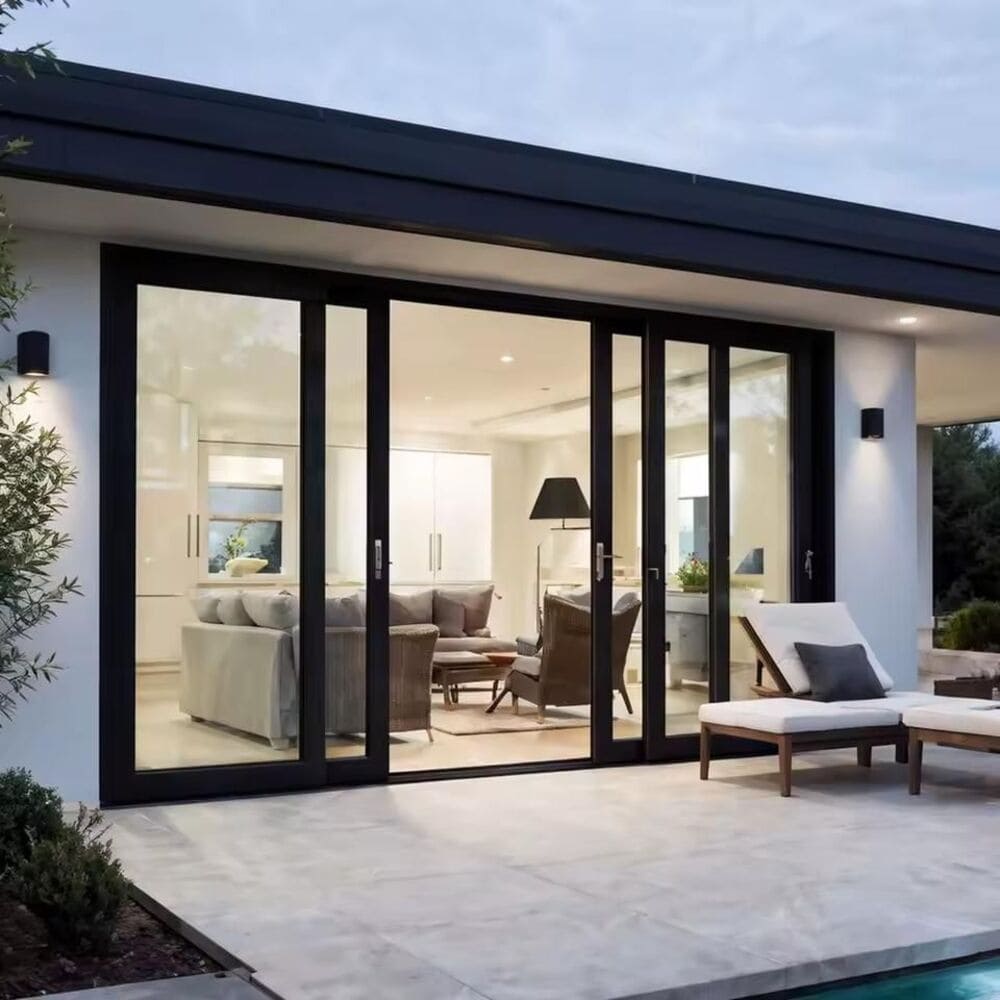
Modern façade systems enable architects to experiment with proportions, materials, and geometry. Slim aluminium profiles allow for larger glass panels and uninterrupted views, while modular systems support consistent patterns and clean visual lines.
Because of these capabilities, façade systems have become an essential tool in contemporary architectural design. They allow buildings to achieve both functional performance and distinctive visual character.
Performance and Environmental Control
Beyond aesthetics, façade systems play a crucial role in managing environmental conditions within a building. A well-designed façade helps regulate temperature, airflow, and natural lighting, all of which contribute to indoor comfort and energy efficiency.
Thermal performance is a key factor in façade design. Modern aluminium systems often incorporate thermal breaks and advanced glazing technologies to reduce heat transfer between interior and exterior spaces. This helps maintain stable indoor temperatures while reducing the demand on heating and cooling systems.
Acoustic performance is another important consideration, especially in urban environments. High-quality façade systems can help reduce external noise, improving the comfort of occupants in residential, office, and hospitality buildings.
Weather resistance is also critical. Façade systems must prevent water penetration while allowing controlled drainage and ventilation. Proper sealing, drainage channels, and structural design ensure that façades perform reliably even under heavy rain and strong winds.
Structural Integrity and Safety
Although many façade systems are non-structural components, they must still withstand significant forces. Wind pressure, thermal expansion, and building movement can all place stress on façade elements.
Engineers must therefore carefully design façade systems to ensure structural stability. Aluminium framing systems are particularly well suited for this purpose because they provide high strength while remaining lightweight.
In high-rise buildings, façade systems must be able to accommodate movement caused by wind loads and building sway. Properly engineered connections allow the façade to move slightly without compromising performance or safety.
Safety considerations also include fire performance and impact resistance. Modern façade systems are designed to comply with international standards that address these factors, helping ensure that buildings meet regulatory and safety requirements.
The Importance of Material Selection
Material choice plays a significant role in façade performance and durability. Aluminium has become one of the most widely used materials for façade systems due to its combination of strength, flexibility, and resistance to environmental conditions.
One advantage of aluminium is its lightweight nature, which allows for easier handling and installation while reducing structural loads on the building. Despite its low weight, aluminium provides excellent strength and stability.
Another benefit is its resistance to corrosion. Aluminium systems can perform reliably in a wide range of climates, including coastal environments where humidity and salt exposure can damage other materials.
In addition, aluminium is highly adaptable in terms of manufacturing and finishing. Profiles can be extruded into complex shapes and finished with various coatings, enabling architects to achieve different visual effects without sacrificing performance.
Integration with Glass Technology
Modern façade systems rely heavily on glass as a primary material. Advances in glazing technology have made it possible to create transparent building envelopes that still provide insulation, solar control, and safety.
Double and triple glazing units are commonly used to improve thermal performance. These units consist of multiple layers of glass separated by sealed air or gas-filled cavities that reduce heat transfer.
Coatings applied to glass surfaces can also control solar radiation, minimizing heat gain while still allowing natural light to enter interior spaces. This helps maintain comfortable indoor environments while reducing energy consumption.
The integration of glass and aluminium systems has therefore become a defining characteristic of contemporary architecture. Together, these materials allow buildings to achieve both transparency and performance.
Façades and Sustainability
Sustainability has become a major focus in modern building design. Façade systems play a significant role in achieving environmental performance goals because they directly influence energy use, daylighting, and indoor comfort.
Efficient façade systems help reduce reliance on artificial lighting and climate control systems. By optimizing daylight penetration and thermal insulation, they contribute to lower energy consumption throughout the building’s lifecycle.
Materials such as aluminium are also recyclable, which supports sustainable construction practices. Many aluminium systems can be reused or recycled at the end of their service life, reducing environmental impact.
Architects and developers increasingly evaluate façade systems not only for their visual qualities but also for their contribution to long-term environmental performance.
Conclusion
Façade systems have become one of the most critical elements in modern architecture. They shape the visual identity of buildings while providing essential functions related to environmental control, structural performance, and occupant comfort.
Advancements in materials, engineering, and glazing technology have allowed façade systems to evolve from simple exterior coverings into highly sophisticated building components. Aluminium and glass systems in particular have enabled architects to create transparent, efficient, and visually striking buildings.
As architecture continues to evolve, façade systems will remain central to the design and performance of contemporary buildings. Their ability to combine aesthetics with engineering precision makes them an essential part of the modern built environment.
Understanding their role allows architects, developers, and engineers to make informed decisions that support both architectural vision and long-term building performance.
Resources Used
- Architectural Institute of America documentation on building envelopes
- Building envelope design principles from industry engineering references
- Public technical documentation from façade system manufacturers
- Construction materials engineering literature on aluminium systems
- Architectural façade design references from building technology publications